Gedenkstätte Deutscher Widerstand Home
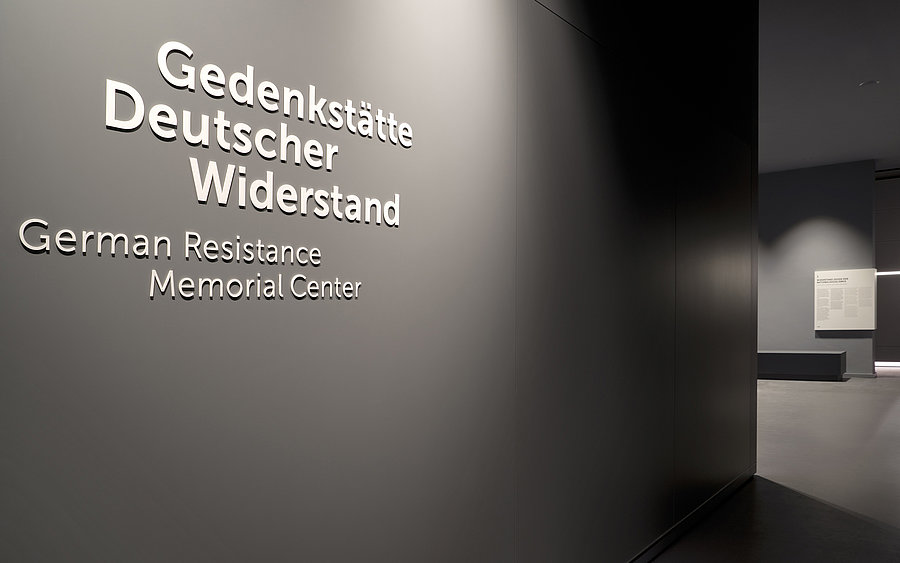
Die Gedenkstätte Deutscher Widerstand
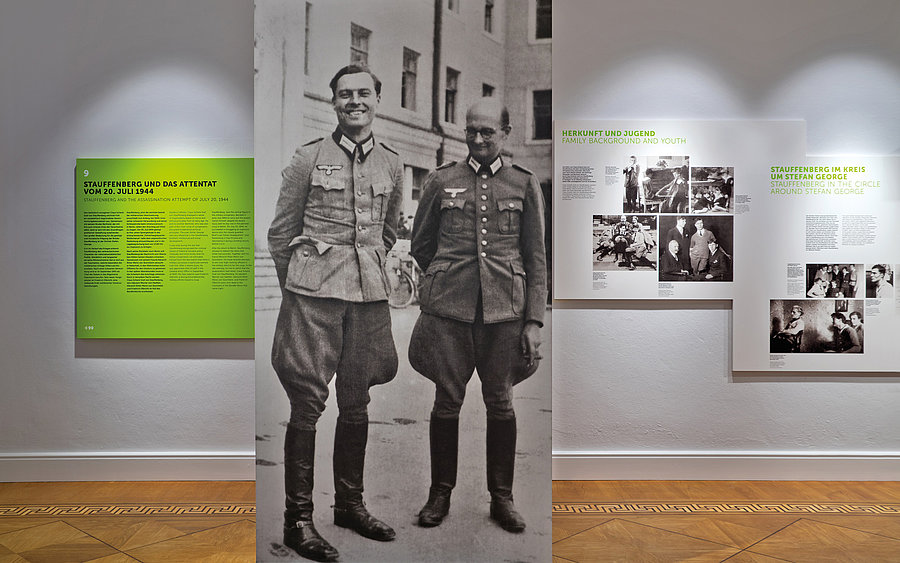
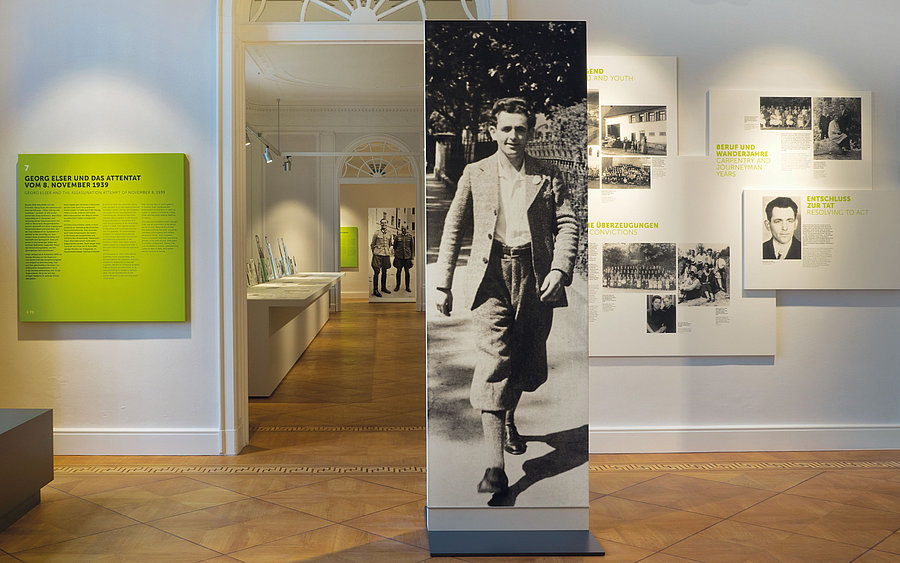
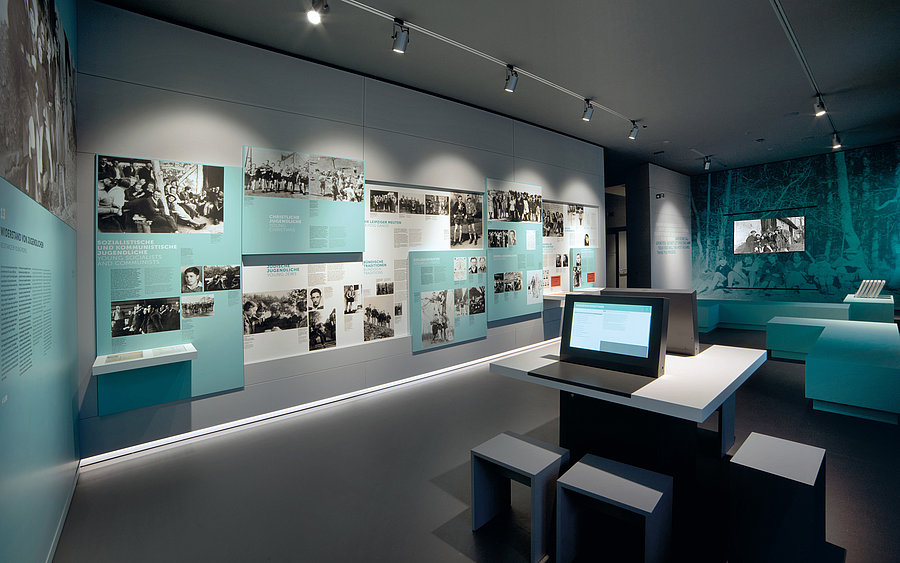
ist ein Ort der Erinnerung, der politischen Bildungsarbeit, des aktiven Lernens, der Dokumentation und der Forschung. Mit einer umfangreichen Dauerausstellung, wechselnden Sonderausstellungen und einem vielfältigen Veranstaltungs- und Veröffentlichungsangebot informiert sie über den Widerstand gegen den Nationalsozialismus. Die Gedenkstätte will zeigen, wie sich einzelne Menschen und Gruppen in den Jahren 1933 bis 1945 gegen die nationalsozialistische Diktatur gewehrt und ihre Handlungsspielräume genutzt haben.
Aktuelle Veranstaltung

Do, 25. April 2024, 13 Uhr
Ort: Friedhof Columbiadamm, Columbiadamm 122, 10965 Berlin-Neukölln
Gedenkveranstaltung
Erschlagen, erstochen, erschossen -
Zur Erinnerung an die von den Nationalsozialisten
ermordeten Angehörigen des Reichsbanners Schwarz-Rot-Gold
Begrüßung:
Prof. Dr. Johannes Tuchel
Leiter der Gedenkstätte Deutscher Widerstand
Dr. Fritz Felgentreu
Vorsitzender des Reichsbanners Schwarz-Rot-Gold, Bund aktiver Demokraten e.V.
Ansprache:
Martin Schulz
Vorsitzender der Friedrich-Ebert-Stiftung
Kranzniederlegung
Weitere Informationen finden Sie in der Einladung.
Eine Anmeldung ist nicht erforderlich.
Eine Aufzeichnung der Gedenkveranstaltung können Sie am Abend des 25. April 2024 um 18 Uhr auf unserer Website unter www.gdw-berlin.de/livestream online sehen.
Aktuelle Sonderausstellung

26. März 2024 - 12. Mai 2024
Oktober 1943 -
Das Schicksal der Juden aus Dänemark
Informationen zur Ausstellung ...

Vier Menschen im Widerstand
Web-App der Gedenkstätte Deutscher Widerstand
Entdecken Sie mit unserer Web-App die Geschichten von Menschen im Widerstand gegen den Nationalsozialismus und lernen Sie Otto Weidt, Edith Wolff, Jizchak Schwersenz oder Mildred Harnack näher kennen. Viele Fotos, Dokumente, Audios und Videos erzählen von ihrem Leben und ihrem Kampf gegen die NS-Diktatur.
Kein Download erforderlich!
Zu den Stories ...
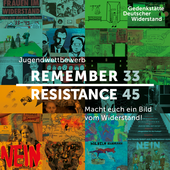
ONLINE-AUSSTELLUNG
Jugendwettbewerb
Remember Resistance 33-45
Macht euch ein Bild vom Widerstand!
Mit allen Wettbewerbsbeiträgen
Zur Online-Austellung ...

Online-Einführungen in die Dauerausstellung
Für Einzelbesucher*innen bieten wir regelmäßig sowie zu besonderen Anlässen kostenfreie Online-Einführungen in die Dauerausstellung „Widerstand gegen den Nationalsozialismus“ an.
Weitere Informationen finden Sie hier ...
Nächster Termin:
26. Mai 2024, 15 Uhr
Schwerpunkt: "Widerstand von Sinti und Roma"
